

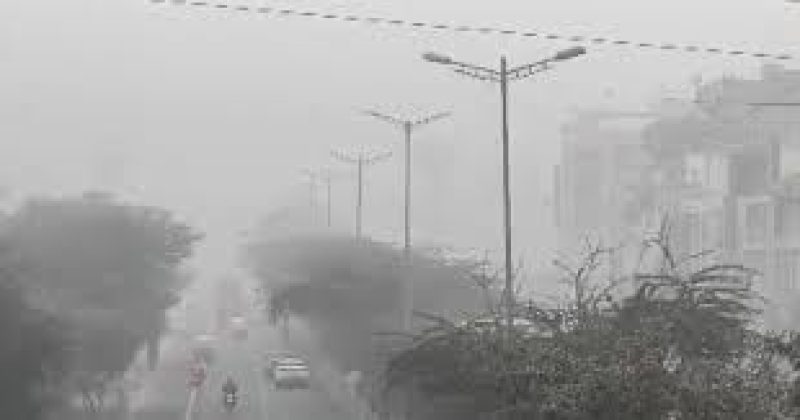
A day after Diwali, a dense layer of smog hung over several parts of Delhi on Monday, 9 November, and visibility dropped across the city. The Central Pollution Control Board (CPCB) recorded an AQI of 368 at 7 am, in the “very poor” category.
Area-Wise AQI Readings
Several monitoring stations stayed above 300. Alipur recorded 391 and IIT Delhi 361. Business Standard reported that 15 stations recorded severe pollution, meaning an AQI above 400. The city’s 24-hour average was 376 on Sunday, up from 369 on Saturday.
Why Is The Air So Bad?
Reports say firecracker use despite the ban added to the pollution load. Calm conditions at this time of year also tend to keep pollutants close to the ground. The Statesman noted that the smog has persisted despite GRAP Stage III curbs.
Forecast: Severe Category Likely
The relief may not come soon. The Air Quality Early Warning System for Delhi has forecast that air quality could slip into the “severe” category from 9 November and stay there for the next few days.
What Residents Should Do
- Avoid morning walks and outdoor exercise.
- Wear a well-fitted N95 mask outdoors.
- Keep windows shut and use an air purifier indoors if you have one.
- Children, older people and those with asthma or heart conditions should take extra care.
- Consult a doctor if you have breathing trouble, a persistent cough or chest discomfort.
Delhi’s post-Diwali pollution is a recurring winter problem, and the next few days will depend on wind speed and emission controls. Check live CPCB data before heading out.