
Highlights
- Nipah virus is extremely dangerous due to its very high fatality rate.
- Symptoms can quickly worsen, leading to respiratory and neurological problems.
- There is no specific treatment or vaccine available, only supportive medical care.
- Doctors strongly advise early detection, good hygiene, and avoiding contact with infected people to prevent the spread.
The Nipah virus is an extremely dangerous virus that is notorious for its extremely high fatality rate. Doctors stress the need for early recognition of symptoms and for taking appropriate measures to prevent the infection from spreading. Knowledge of symptoms, their severity, and doctors’ recommendations can be life-saving.
Nipah Virus Symptoms
Nipah virus infection can begin with mild, flu-like symptoms but can quickly escalate.
Here is the information you should have:
1. Fever:
One of the first symptoms of the infection.
2. Headache:
Patients may experience headaches, ranging from mild to severe.
3. Fatigue and Weakness:
A common complaint among infectees is extraordinary tiredness and weakness.
4. Respiratory Problems:
Coughing, suffocation, and chest pains may show up.
5. Neurological Symptoms:
Symptoms such as confusion, disorientation, drowsiness, and, in severe cases, encephalitis (inflammation of the brain).
6 Seizures:
Affected individuals may experience seizures due to the virus’s impact on the central nervous system.
Read more about, Nipah Virus
Why Is Nipah Virus Dangerous?
Doctors have warned about the Nipah virus for its particularly dangerous features:
1. High Fatality Rate:
In untreated cases, the virus may kill the patient.
2. Rapid Progression:
It is possible that the virus could cause severe respiratory or neurological complications very quickly after the first signs of mild fever.
3. No Specific Treatment:
Neither antiviral nor vaccine options are available for Nipah virus at the moment. The patient is given only supportive care.
3. Transmission between Humans:
Direct or indirect contact with infected persons or their items can result in transmission of the virus.
What Doctors Suggest: Infection Prevention Precautions?
For safety reasons, medical professionals recommend:
1. Avoid Contact with Sick People:
Maintain a distance from everyone with fever, cough, or confusion.
2. Good Hygiene:
Wash your hands often with soap and water.
3. Don’t Eat Contaminated Food:
Stay away from eating raw date palm sap and unwashed fruits if they are possibly bat contaminated.
4. Put on Protective Gear:
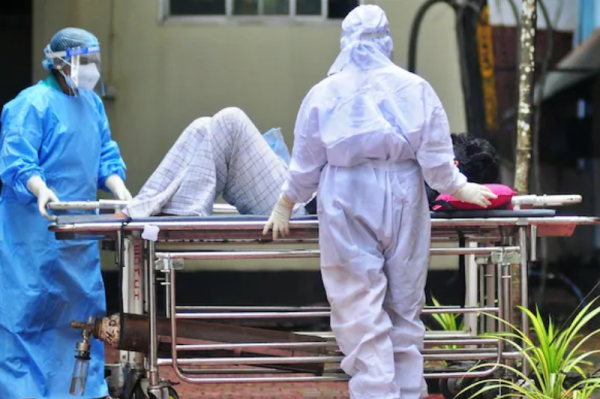
Masks and gloves are to be used while providing care to a person suspected of having the infection.
5. Ask for Medical Help Right Away:
Let the healthcare providers know about your symptoms if they occur after the exposure.
6. Quarantine:
The virus should not be allowed to spread, and therefore infected patients should be infected and kept away from others.