

Highlights
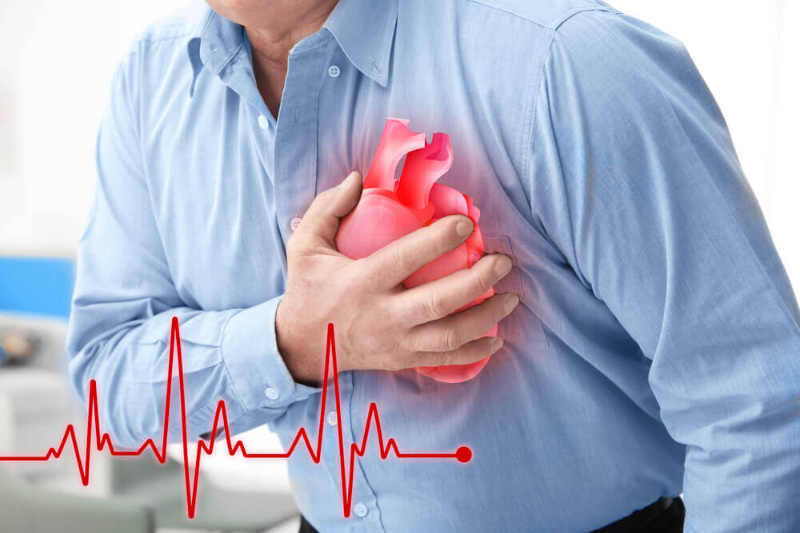
- Shortness of breath and chest pressure are also indicators of first line warning.
- Radiating pain, nausea and fatigue may be signs of cardiac distress.
- Acute acute symptoms are to be discussed instantly.
Heart attacks have been one of the major causes of death in the world. Medical statistics indicate that predictive signs are frequently manifested several hours or days before one of the big cardiac occurrences. When these symptoms are identified early, they can be used to decrease complications and enhance survival.
Common Early Warning Signs
One of the most commonly reported symptoms is chest discomfort. This can be pressure, tightness, fullness or pain in the center or left side of the chest more than several minutes in duration or intermittent. Dyspnea can be experienced in the absence of chest pains or in the presence of the latter and indicate a decrease in blood supply to the heart muscle.
Unrecognized and Minor Symptoms.
Chest pains are not always sudden and do not always occur in heart attacks. Others complain of unexplained fatigue, dizziness, nausea or cold sweats. The pain can extend to the arms, neck, jaw, back or stomach. These symptoms are very often reported together and not individually.
Sudden Emergency Symptoms
In extreme cases, the symptoms may be very quick to increase. These are severe chest pains, and sudden shortness of breath, unconsciousness, or sudden and irregular heart-beat. Medical experts recommend that such conditions are supposed to be met with emergency response so as to avoid life endangering harm.
Risk Groups and Symptom Variation.
Depending on age, gender and health ailment, symptoms can be different. Individuals who are diabetic, have high blood pressure, are obese, or have a history of heart disease can have their symptoms which are atypical or muted and hence they are harder to identify in the early stages.
Symptoms of warning of heart attack can include the typical chest pain manifestation, as well as some non-obvious symptoms, such as tiredness, and nausea. The appearance of sudden pain or shortness of breath is a sign of a medical emergency. Both early and hidden symptoms should continue to be well known to respond and reduce the risk in time.